|
|
To skip this introduction and go straight to the pyrolysis pages, click Pyrolysis or Commercial Scale Pyrolysis
|
|
To skip this introduction and go straight to the pyrolysis pages, click Pyrolysis or Commercial Scale Pyrolysis
There is a hierarchy of human needs and they are usually classified as physical, emotional, mental, etc. but the highest needs for our survival are food and shelter.
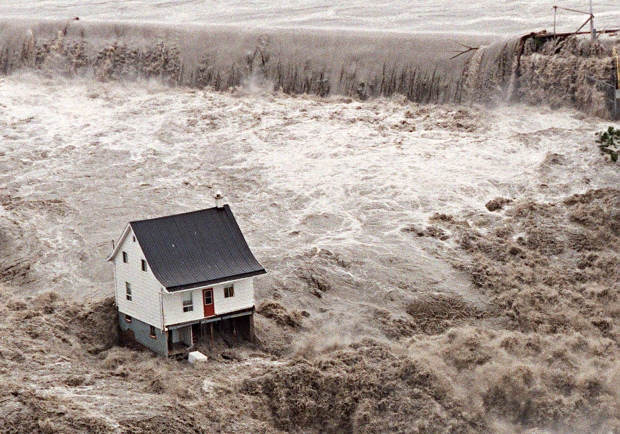
Paradoxically, human activity is threatening, and in some cases, already destroying our food sources and places of shelter. Drought, heat, overland and coastal flooding, avalanches, hurricanes, wild fires, winter snow or ice storms... we cannot deny that these dangers to human life and livelihood are getting more catastrophic.
All of these threats are directly linked to climate change. And climate change is directly linked...to us!
In recent years the situation has grown more urgent. Despite the commitments made under the Paris Agreement, many nations are now drifting further from their stated climate goals. Global emissions continue to rise, and the latest United Nations assessments show that our remaining “carbon bank account” — the cumulative amount of CO₂ we can emit before breaching 1.5 °C of warming — is being rapidly depleted. At current trajectories, the world could exhaust this remaining budget within this decade.
What makes this especially troubling is that even as warnings intensify, governments continue to approve new oil and gas projects, expand LNG capacity, and invest heavily in infrastructure that prolongs fossil-fuel dependence. Key policies that once signaled a meaningful transition — carbon pricing systems, EV incentives, methane-reduction regulations — have stalled, been weakened, or reversed entirely in several countries.
Here in Canada, the disappointment is particularly sharp. A nation that once championed carbon pricing as a model for the world has stepped back from the clarity and courage of that policy. EV sales mandates and consumer support programs have been softened or delayed, even as other advanced economies accelerate electric transport. At the same time, governments are increasing rhetorical and financial support for CCUS, expanded natural-gas infrastructure, and additional pipeline capacity — all while continuing to assert that Canada remains “on track” for net-zero. The federal government’s own modelling does not support this optimism.
These contradictions matter. Every year of delay makes the transition harder, more expensive, and more disruptive. Climate change is no longer a distant threat; it is eroding our safety, economy, infrastructure, and ecosystems today. The science is unequivocal: global warming will not stop until fossil-fuel emissions stop. Technology such as methane pyrolysis, renewables, electrification, green hydrogen, and efficiency improvements are powerful tools — but their deployment requires political will equal to the scale of the crisis.
Why it matters: Every year of delay increases future costs, risks, and climate impacts. The longer we postpone real emissions reductions, the narrower and steeper the path to a just transition becomes.
So the bad news is that the problem is of our own making. But that makes the opposite also true - that the solution can also be of our making!
This brings us to the climate problem…